

Blog
Can a Helmet Save Your Life? How to Choose a Reliable Motorcycle Helmet and Never Regret It
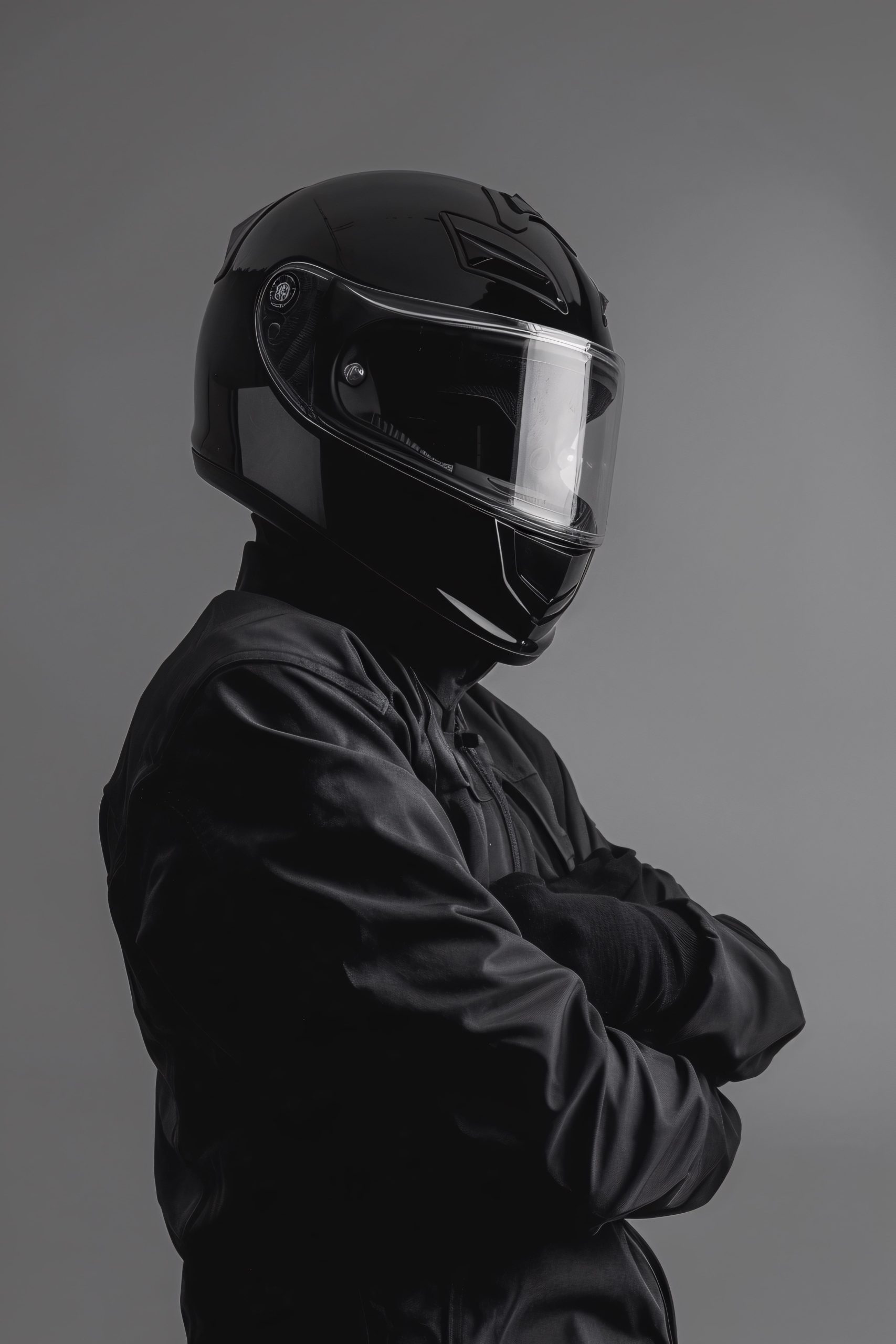
A helmet that protects more than your head
Motorcyclists know it well: the road is full of surprises — not always pleasant. A good-quality helmet often becomes the line between a scary moment and a tragic one. Statistics show that up to 45% of fatal motorcycle injuries involve the head, making it the most vulnerable part of the body during an accident.
So choosing a helmet is not a matter of style — it’s a matter of survival.
But how to choose a motorcycle helmet that truly protects when it matters most? With dozens of types and models — full-face, modular, open-face, off-road — the decision can be overwhelming. In this article, we’ll guide you through helmet types, selection criteria, and things to watch out for to help you make the right choice.
Key factors to consider:
- Certification (ECE, DOT, SNELL) — ensures the helmet has passed safety tests
- Size — an ill-fitting helmet won’t protect properly, even at low speeds
- Materials — from polycarbonate to composite or carbon fibre, each affects safety and weight
- Retention system — Double-D rings for racing; microlock for city comfort
Main types of motorcycle helmets and who they suit
When thinking about how to choose a motorcycle helmet, it’s not only about size. The environment, speed, and riding style all play a role.
Full-face helmets
The most protective option — covering the entire head and jaw. They offer excellent aerodynamics, noise isolation, and airflow.
Ideal for:
– high-speed riding
– sport and touring bikes
– long-distance travel
Not ideal for:
– riders who stop frequently (e.g. couriers), as it’s not easy to talk or remove quickly
Examples:
- Shoei NXR 2 — premium comfort and top-level protection
- HJC C70 — budget-friendly yet reliable
Modular helmets
Feature a flip-up chin bar. A great compromise between protection and practicality.
Ideal for:
– touring
– city commuting
– riders who stop often (petrol stations, cafés)
Not ideal for:
– racing or track use (the moving parts may reduce structural strength)
Examples:
- LS2 FF399 Valiant — with internal sun visor
- HJC i90 — balanced and comfortable
Open-face (jet) helmets
These leave the face and chin exposed. Light, airy, and perfect for short urban rides.
Ideal for:
– city rides and scooters
– warm climates
– beginners at low speeds
Not ideal for:
– fast roads or off-road riding (lack of facial protection against crashes, insects, or debris)
Examples:
- Shark Nano — stylish with a built-in sun shield
- MT Le Mans 2 — lightweight and affordable
Off-road helmets
Designed for trail and enduro riding. They usually lack a visor but offer top-notch ventilation and low weight. Worn with separate goggles.
Ideal for:
– enduro
– motocross
– dirt and trail riding
Not ideal for:
– long-distance touring or highways (less aerodynamic, no visor, noisier)
Examples:
- Airoh Aviator — carbon, competition-ready
- MT Falcon — great value for off-road newcomers
Dual-sport / Adventure helmets
A hybrid of full-face and off-road helmets. Equipped with a peak, visor, and strong airflow — perfect for mixed terrain.
Ideal for:
– adventure riders
– long-distance travellers
– mixed roads (tarmac + trails)
Not ideal for:
– pure sport riding (slightly heavier and not as quiet as sport helmets)
Examples:
- Airoh Commander — premium hybrid
- LS2 Pioneer Evo — rugged look at a fair price
How to pick the right helmet for your riding style
- Measure your head around the forehead
- Tight but comfortable — no pressure points
- Good ventilation for hot days or long rides
- Weight under 1500g for comfort
- Visor — clear/tinted, ideally with a Pinlock anti-fog insert
Recommended helmets at Motomoshop.com
| Model | Type | Key Feature |
|---|---|---|
| Shoei NXR 2 | Full-face | Premium protection and performance |
| HJC i90 | Modular | Convenience + ventilation |
| Shark Nano | Open-face | Ideal for city and scooters |
| LS2 Pioneer Evo | Dual-sport | For adventurers and tourers |
Useful additions to improve your helmet experience
A helmet alone is good. But with a few smart additions — it’s great.
Spare visor
Swap between:
– Tinted — for sunny daytime rides
– Clear — for night use
– Mirror — for style and glare reduction
Helmet cleaner
Dedicated sprays or foams that clean without scratching or leaving residue. Avoid household chemicals — they can damage anti-fog coatings.
Storage bag or helmet case
Keeps your visor scratch-free and helmet protected during travel or storage. A must if you transport your helmet often.
Optional extras:
Quick-release visor kits, microfibre cloths, cheek pads, Bluetooth intercoms — depending on your helmet model.
Final thoughts — a helmet is your personal safety zone
Whether it’s a city commute or an epic road trip — your helmet is your first line of defence. It protects something irreplaceable: your life.
So if you’re still wondering how to choose the right motorcycle helmet — take your time. Think about your riding habits, environment, and comfort preferences.
And don’t forget the little things — anti-fog, spare visors, cleaner, bag — they make every ride safer and more enjoyable.
A good helmet is not a luxury. It’s peace of mind. And that’s something worth investing in.
Ride safe, ride smart — and if you have questions, the Motomo team is always ready to help.